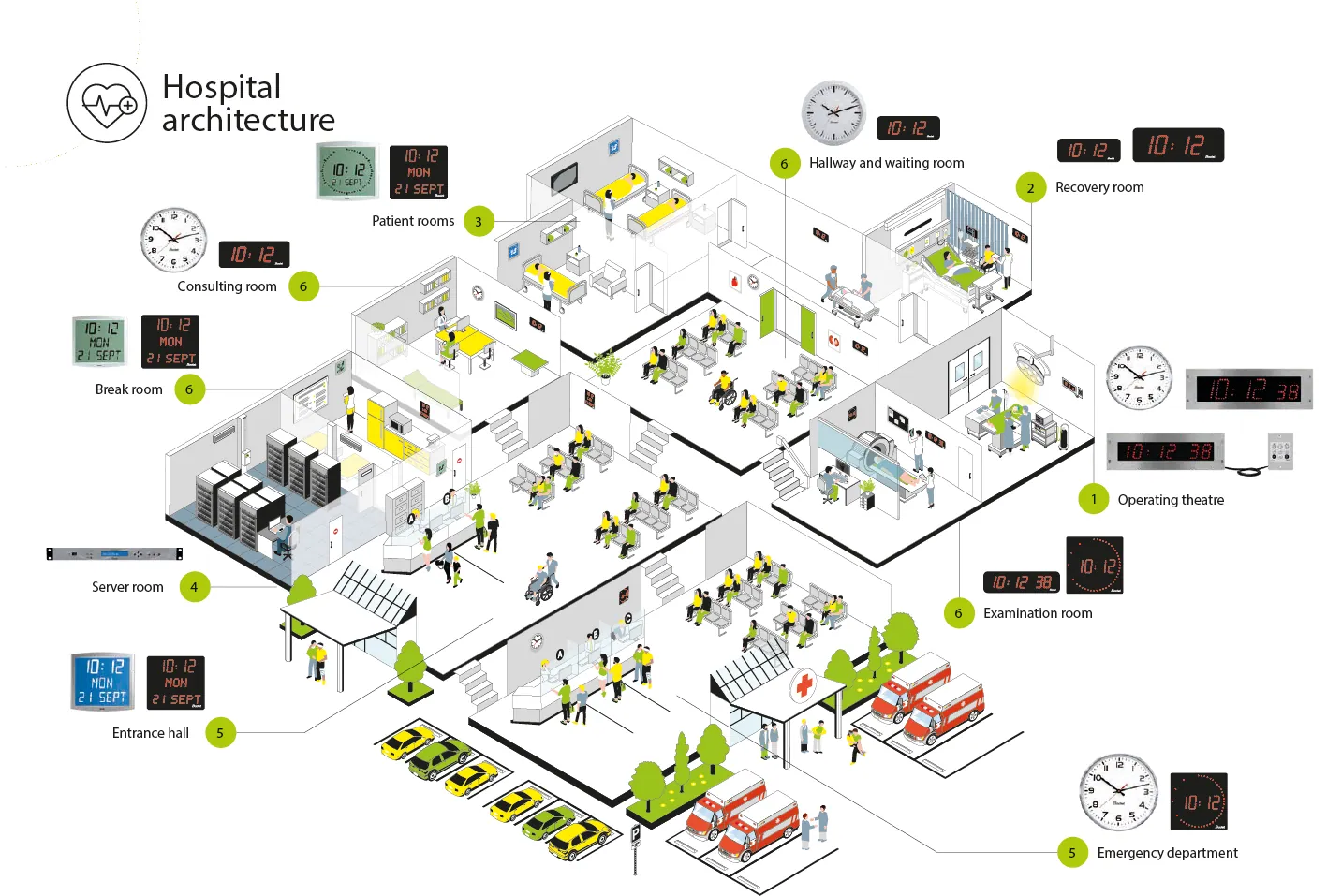
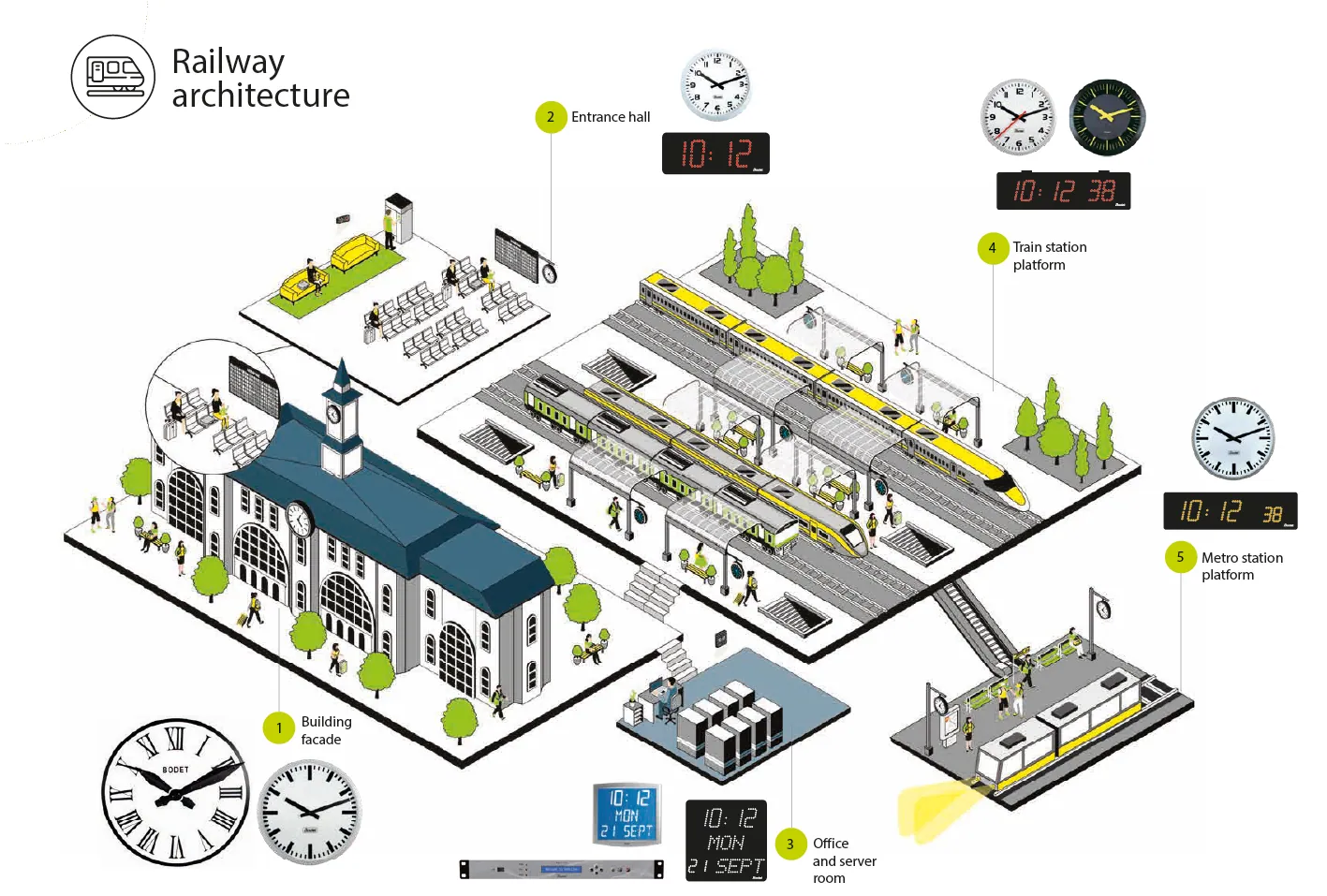
Central clock systems are time synchronizing systems that are typically used in large-scale buildings, office complexes, airports, train stations, educational institutions, and other public or commercial areas. These systems are managed by a central control unit (Master Clock) that ensures that all clocks show the same time. Here are more details about central clock systems:
Central clock systems are designed to coordinate time in large and complex areas. The goal of these systems is to synchronize all clocks to show the exact same time. This allows employees, visitors, and others to easily keep track of the current time and properly plan their appointments, meetings, reports, or other activities.
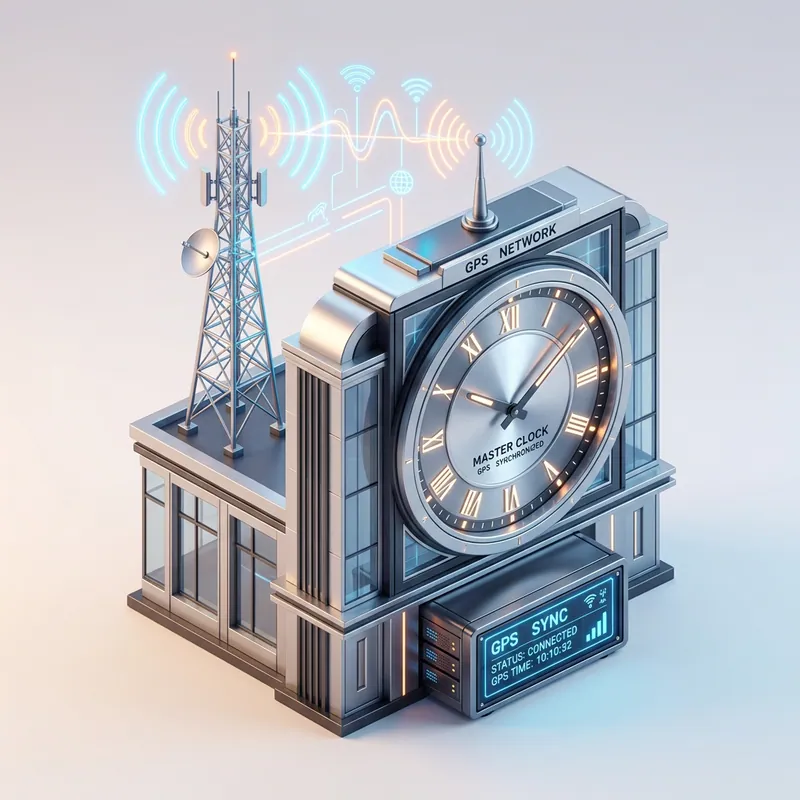
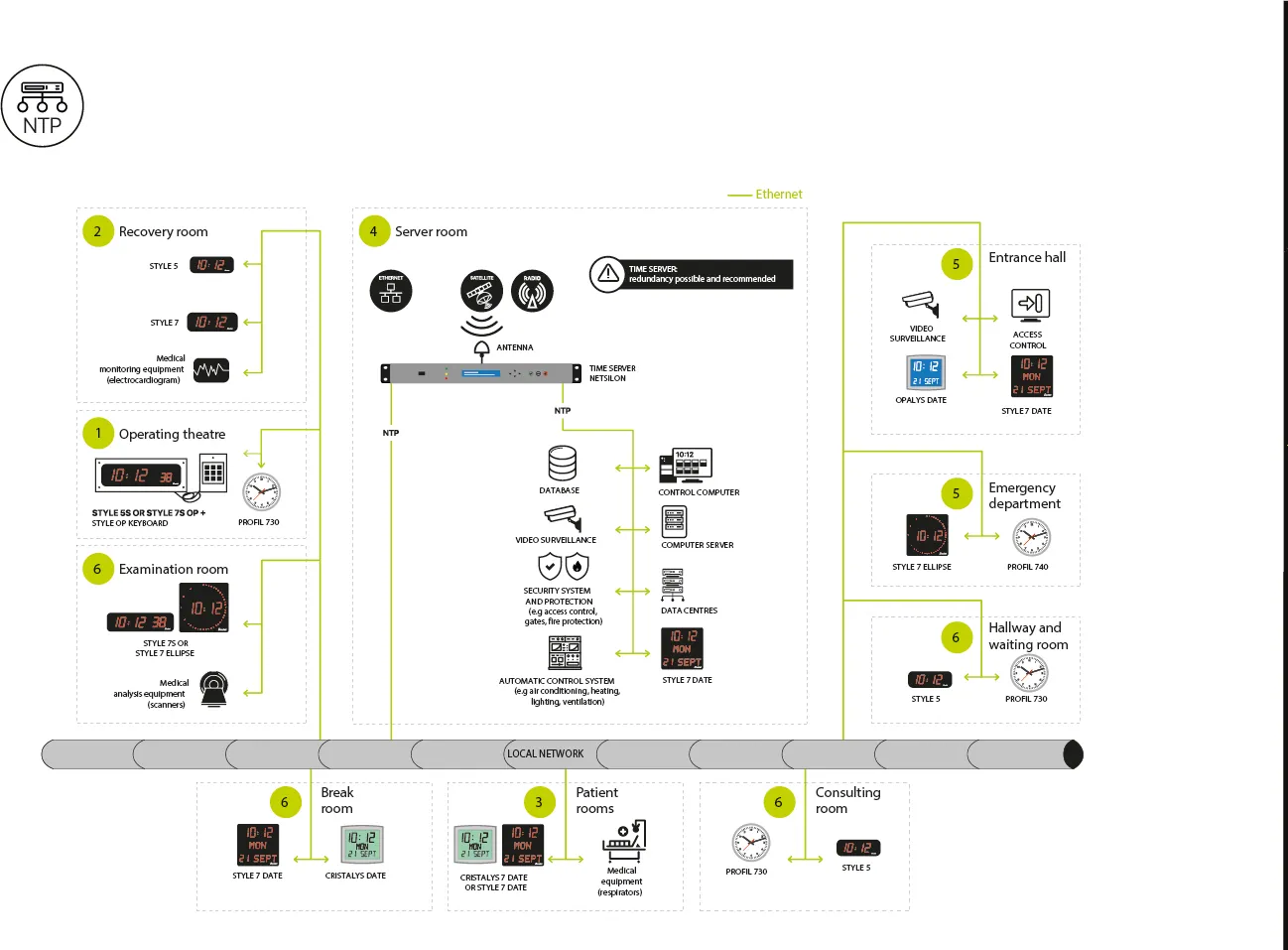
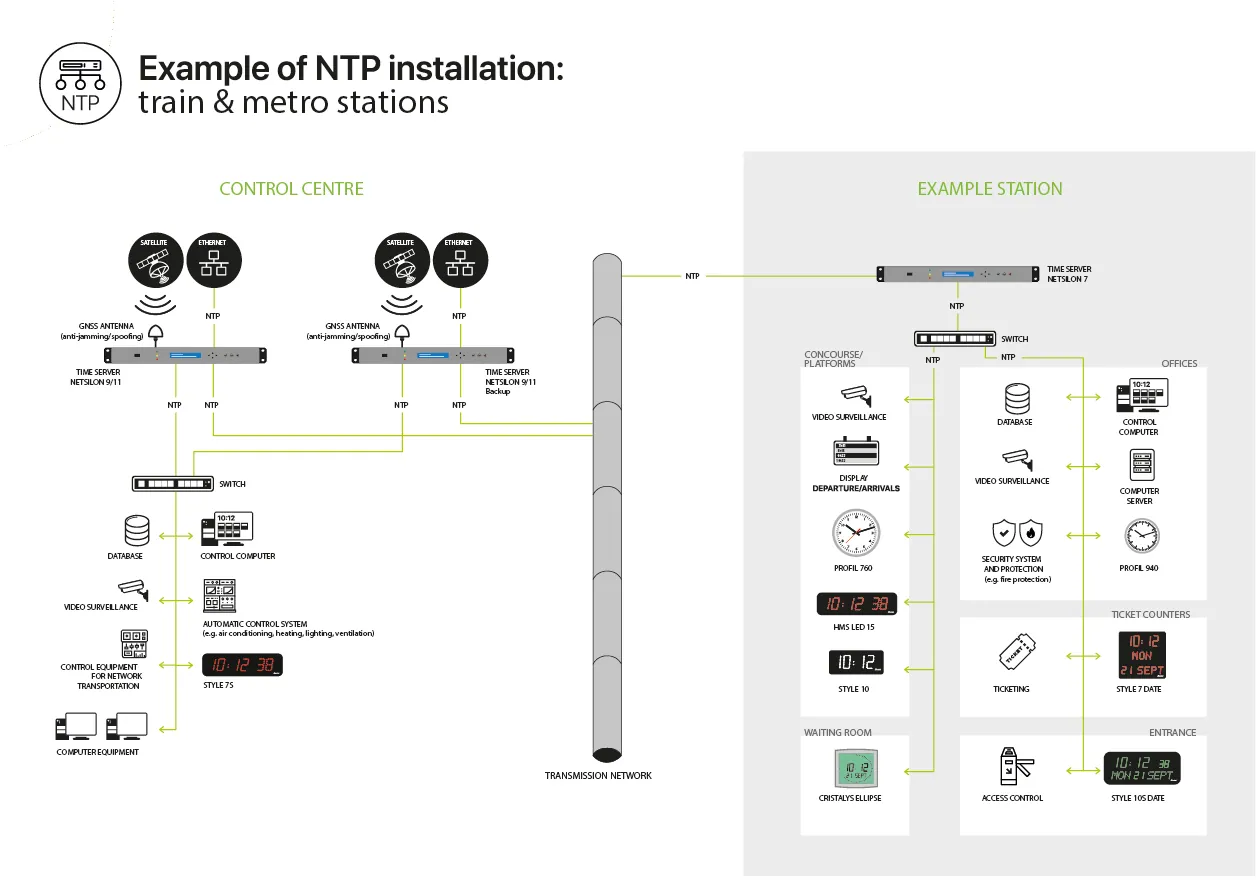
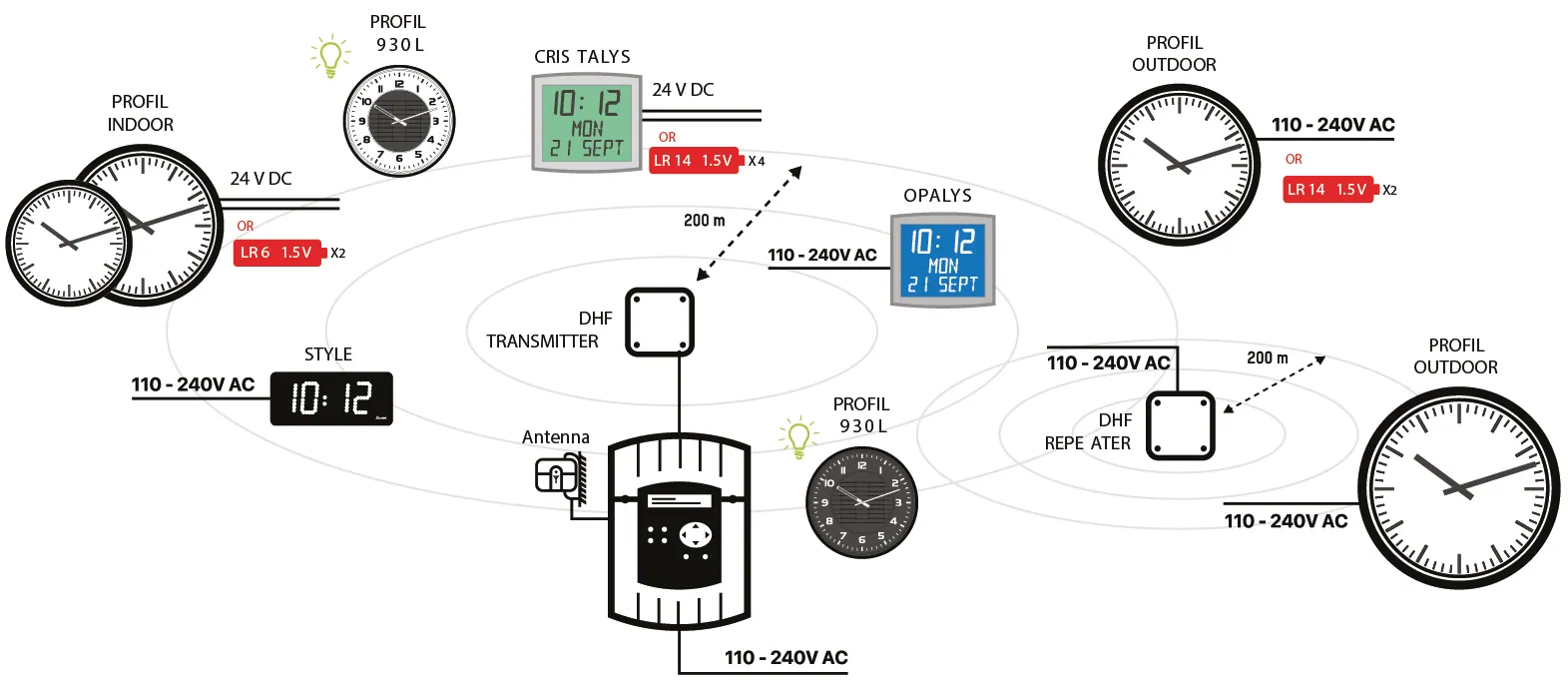
Central clock systems are typically managed by a central control unit (Master Clock). This control unit synchronizes the clocks throughout the system by sending time signals and updating the clocks. Traditionally, wiring would be required to support a central clock system. However, for locations that are already under construction, in use, and where wiring is very difficult, modern systems can use wireless communication technologies to synchronize the clocks.
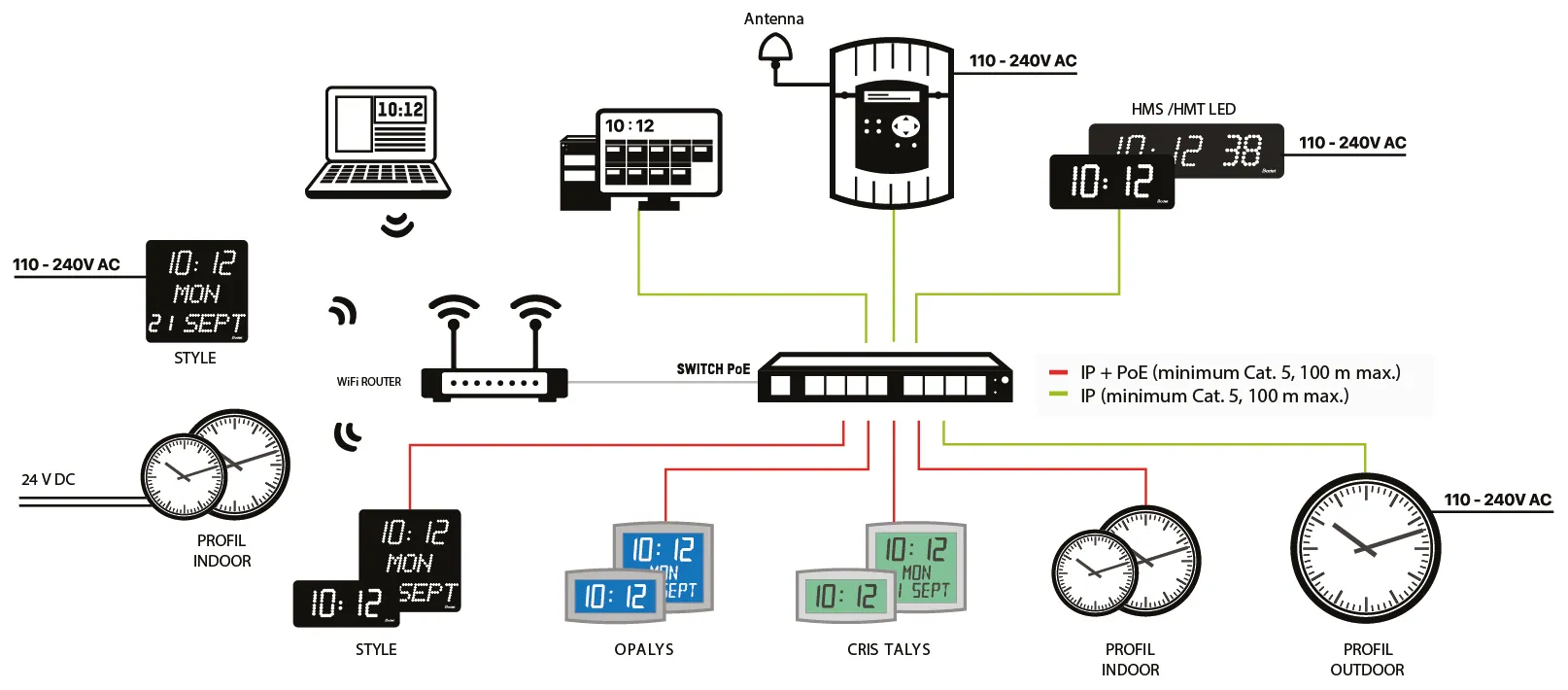
Especially today, all communication networks are preferred because they are used in every facility, practical and two-way manageable. Therefore, in central clock systems, like other low-voltage systems, models with power over Ethernet (TCP/IP – POE) are more popular.
Central clock systems are significantly sensitive in terms of accuracy and reliability. For this reason, high-accuracy clocks that can make time zone corrections are usually used. Time signals can be received using sources such as GPS (Global Positioning System) or GNSS (Global Navigation Satellite Systems), and these signals contain very high precision, precise and accurate time. The central control unit, namely the Main Clock, broadcasts this exact and accurate time received, ensuring synchronization of the clocks.
These systems can also automatically follow daylight saving time applications and automatically set the clocks back or forward. Thus, users do not have to bother with manually setting the clocks.
Central clock systems increase work efficiency by ensuring that time is tracked accurately and consistently, and facilitate time management in the daily life of society. In addition, they usually offer a professional and modern appearance that reflects the image of institutions or organizations. By sending time to other systems (access control, personnel attendance control, CCTV, burglar alarm, fire alarm, etc.), a single and accurate time is used throughout the entire enterprise.
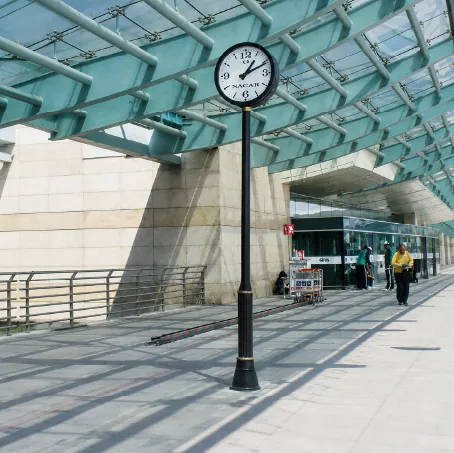
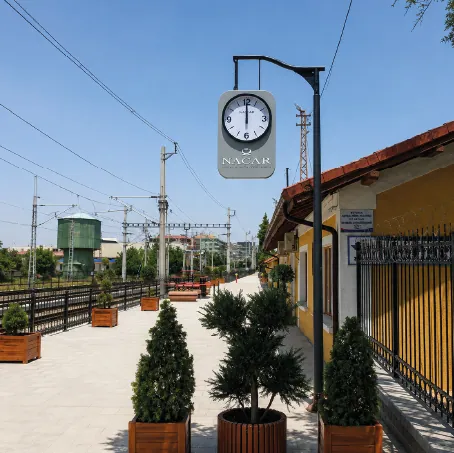
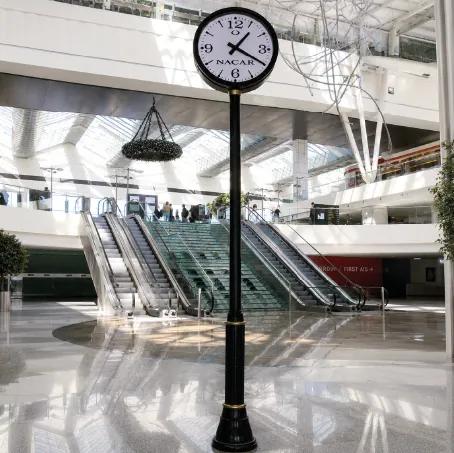
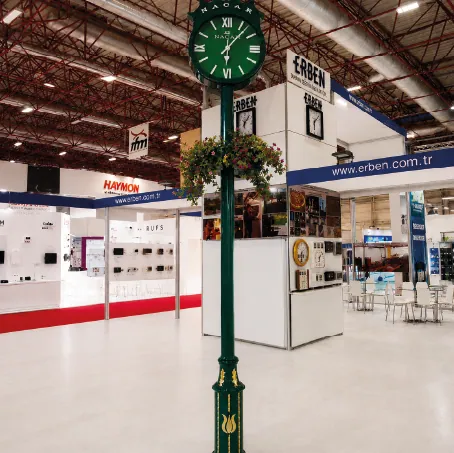
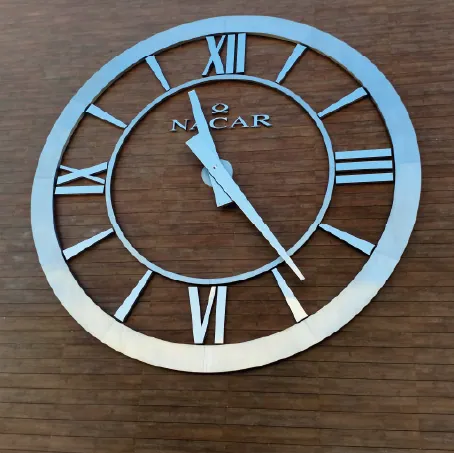
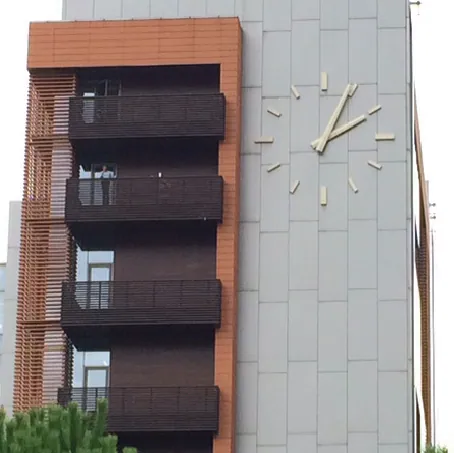
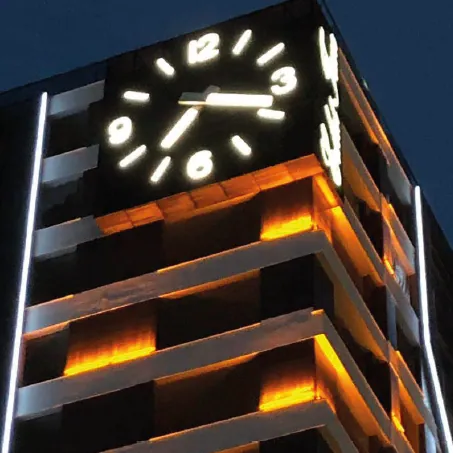
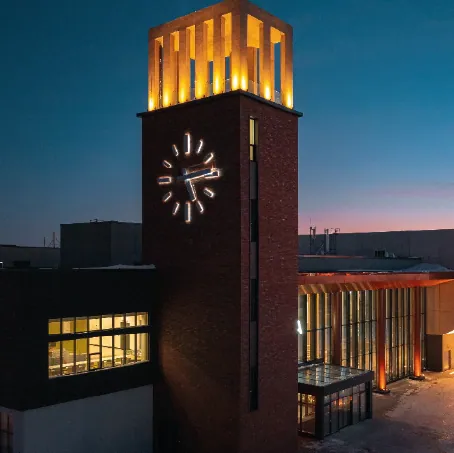
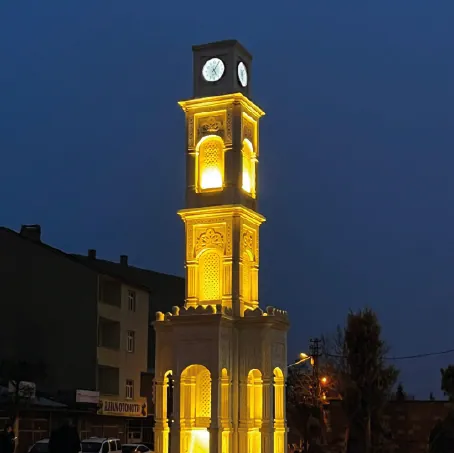
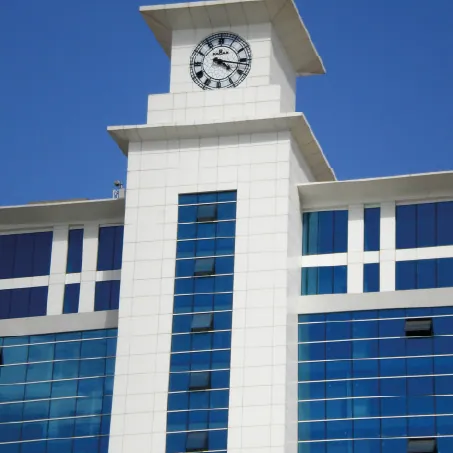
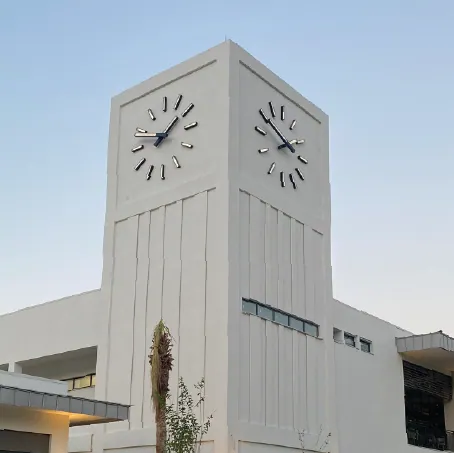
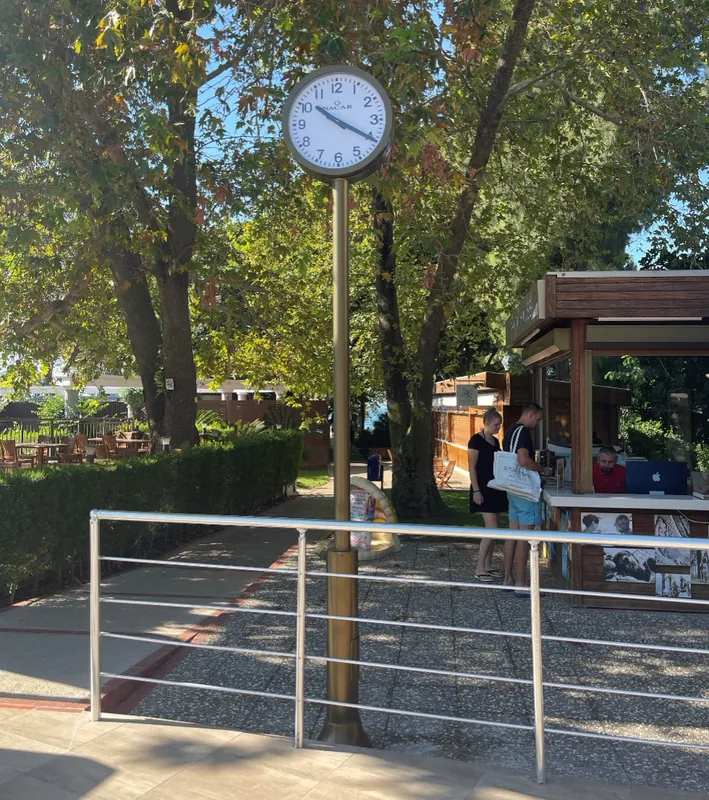
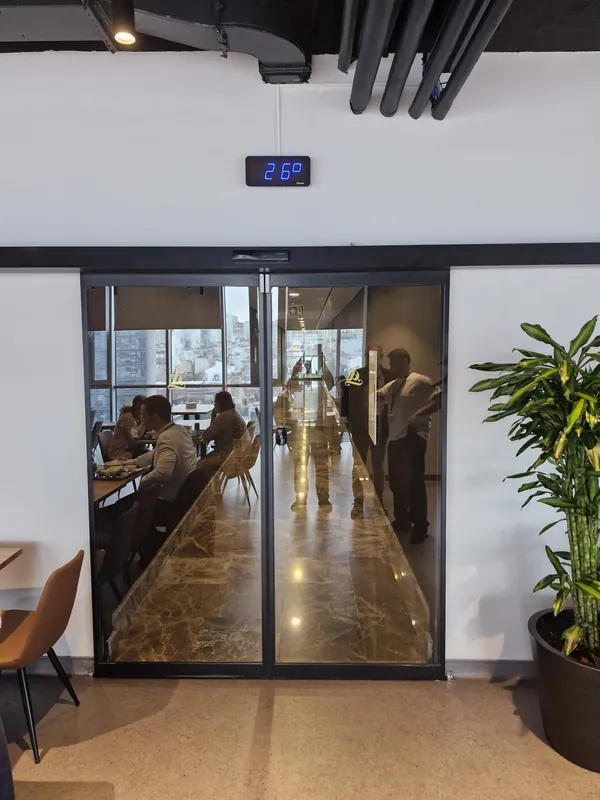
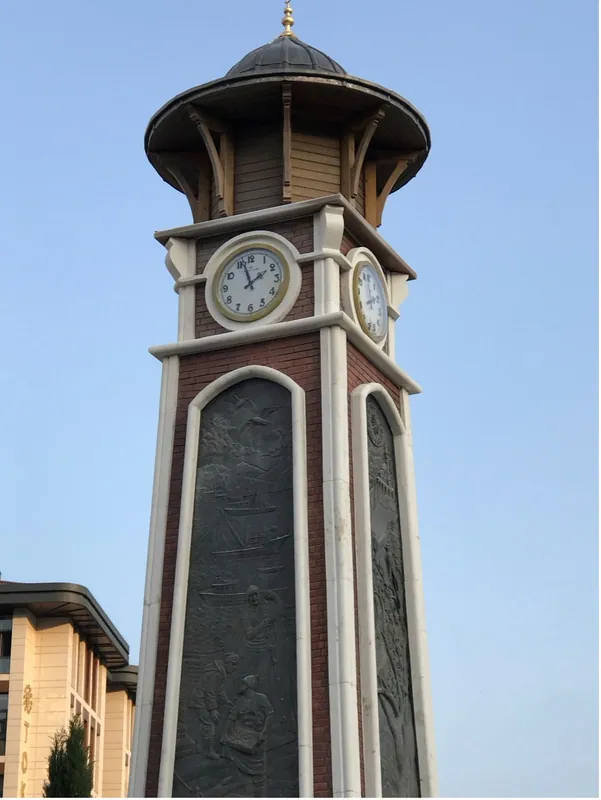
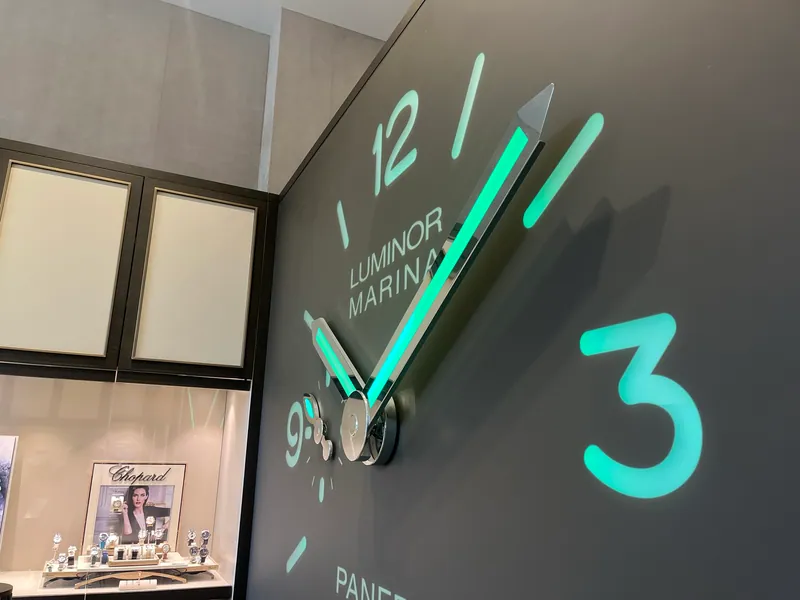
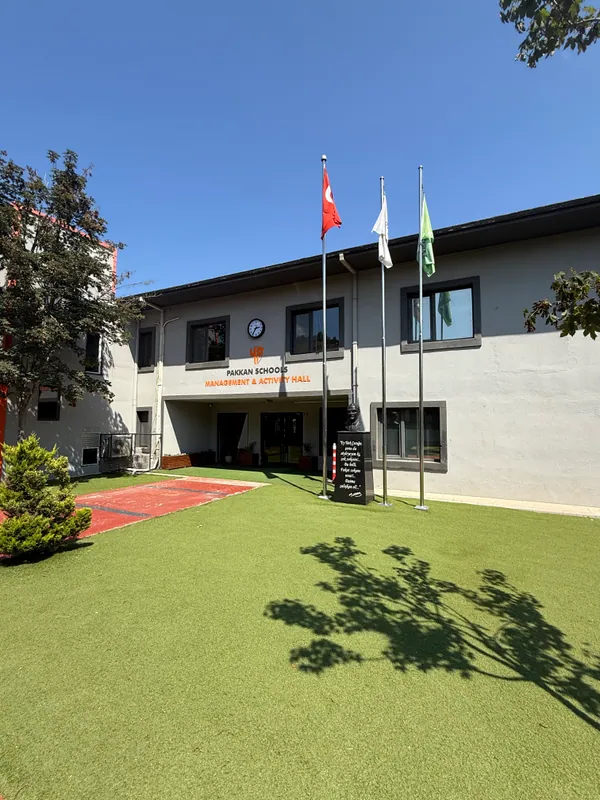
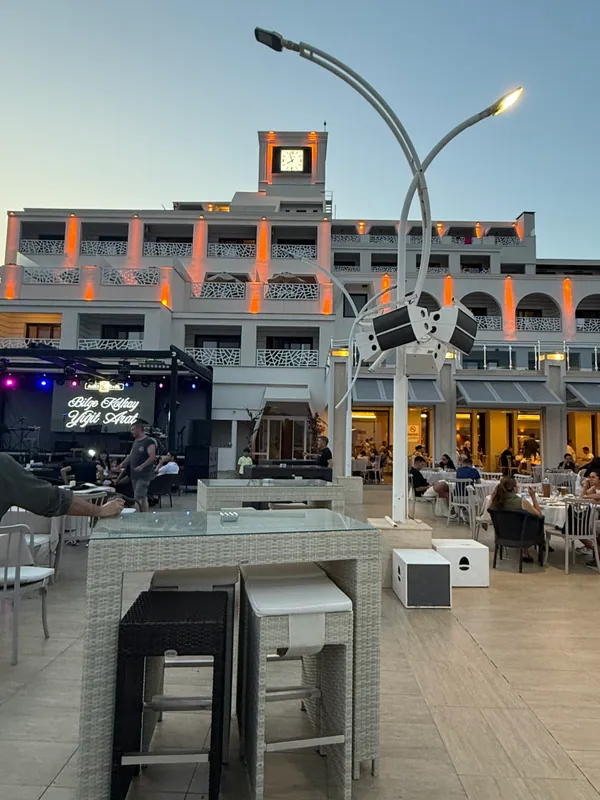
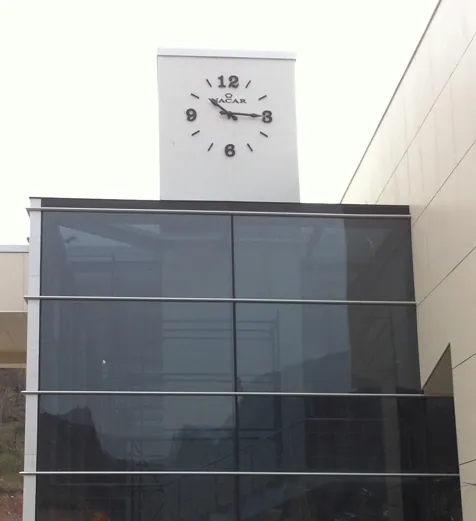
One of the most important components of central clock systems is the clocks that show the time. These clocks are called slave clocks and work with the correct and precise time they receive from the Main Clock. There are two different types, basically analog and digital. Analog clocks show the time continuously thanks to their electromechanical motor. Depending on the environment they are in, their sizes can be manufactured from 30 cm diameter to the desired size. The case color creates another visual alternative. Digital clocks show hour, minute and sometimes second information using LED or LCD screens. Similarly, the dimensions of the clock change according to the size of each digit, and the clocks are positioned according to the reading distance of the digits. It also creates an alternative with the different LED color. Thus, the slave clock provides integrity with the environment it is in. In addition, LCD screen clocks differ in backlit and unlit.
As a result, central clock systems are time synchronizing systems used in large-scale buildings and commercial areas. These systems allow all clocks to show the same time and facilitate time management.